
ortelgarden
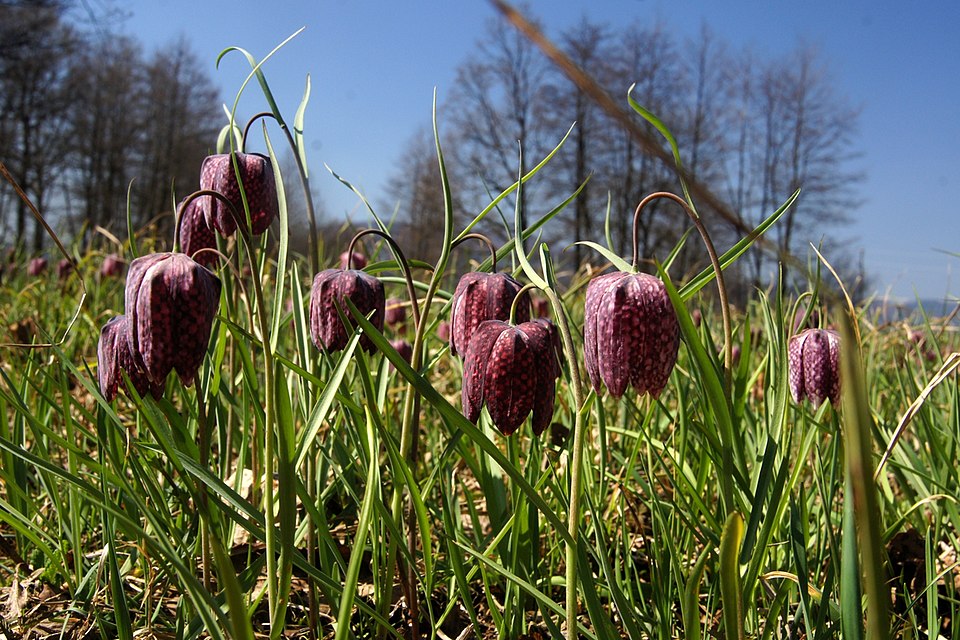
Fritillaria meleagris
Fritillaria meleagris
Couldn't load pickup availability
Connoisseurs bulb.
|
Snakeshead Fritillary, Checkered Lilies, are charming, in shades of purple, with a faint checkerboard pattern. From damp and sometimes wet meadows and woodlands in Europe, even surviving under water at times in winter and very early spring. These bulbs prefer great light during their growing season so deciduous tree cover is a good place or a moist site. Do provide abundant moisture especially in mid winter to early spring. In summer they are better a little drier. Good drainage is required. Despite sowing hundreds of seeds every year and waiting patiently for so many years, I only have a few to sell. Its pathetic really. Collect and sow your own seed. It needs a cold treatment, that is, a cold wet winter to develop their embryos as most fritillaria seed has immature embryos when seed ripe and being shed. For a full account from Fritilliaria Icones and Laurence Hill photographer extraordinaire and keen observer. "Dormancy, Germination & Seedling Emergence: One common aspect of all Fritillaria seed is their linear underdeveloped embryo at the time of dispersal so before the seeds can germinate the embryo has to complete its development. Post-dispersal embryo development will only start after imbibition and the rate of embryo growth increases at lower temperatures. The shoot-root axis in Fritillaria is always with the root aprical meristem at the base of the seed and as the embryo develops it expands away from the base. Germination is the point at which the radical emerges and in Japanese woodland species this is timed to correspond with leaf fall and is synchronized with root growth in adult bulbs. In most other Fritillaria species radical emergence starts several months after root growth in adult bulbs. Optimum temperature for post-dispersal embryo development and germination is thought to be 4-5°C. Seedling emergence in all Fritillaria occurs at or just before the emergence of adult bulbs from February to July depending on species."
|
Share