

ortelgarden
Aster alpinus
Aster alpinus
Couldn't load pickup availability
Little and mauve.
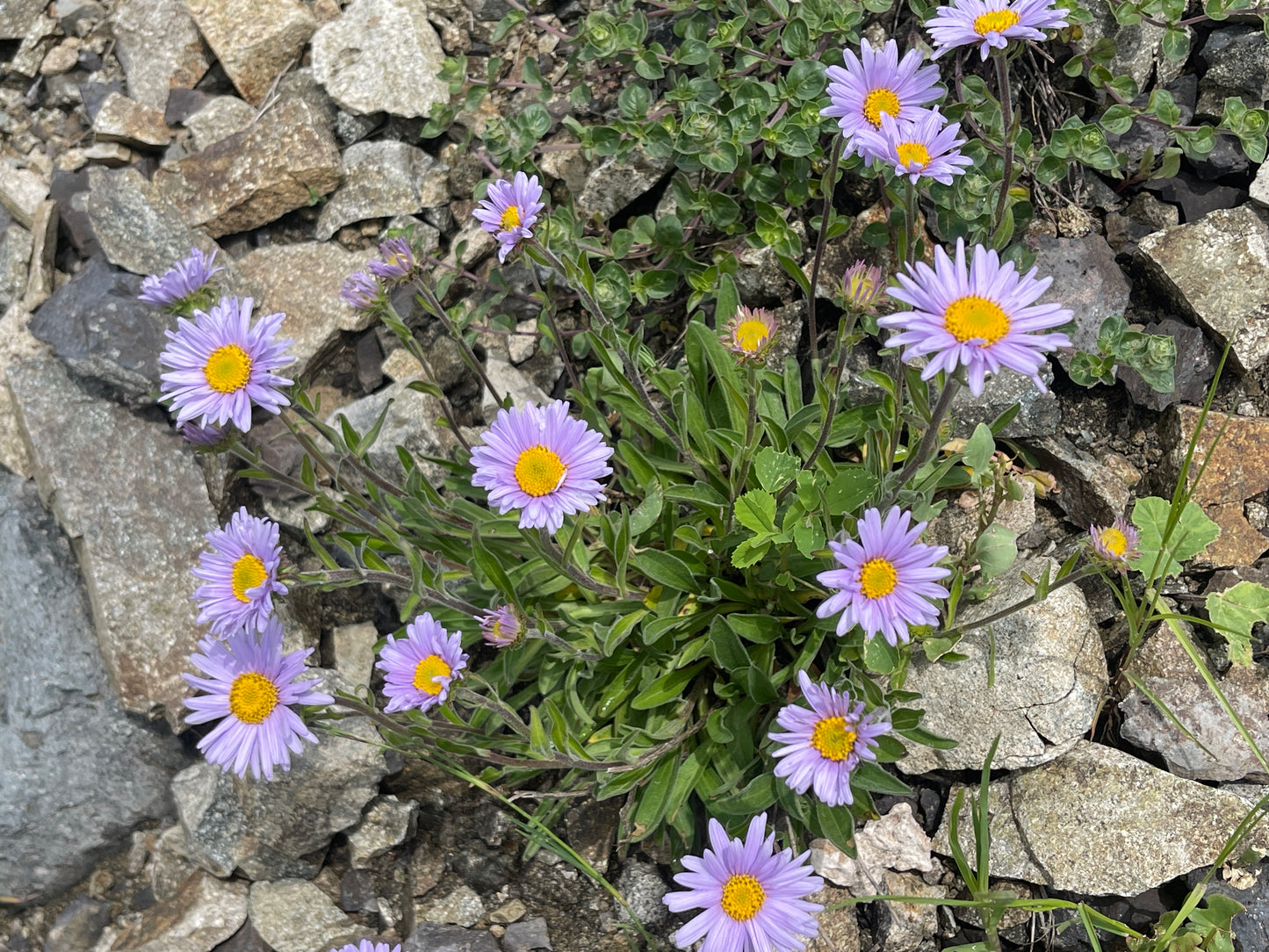
A hardy smaller aster for a sunny but not dry place with good drainage. Rock garden or sand bed and trough. Pink flowers from early spring. Even the front of a border if you give it some space and don't have the other plants covering it up. The flowers are budding up in September. Shown growing with Helianthemum... nature knows best when art and science come together. 10cm
AI says:
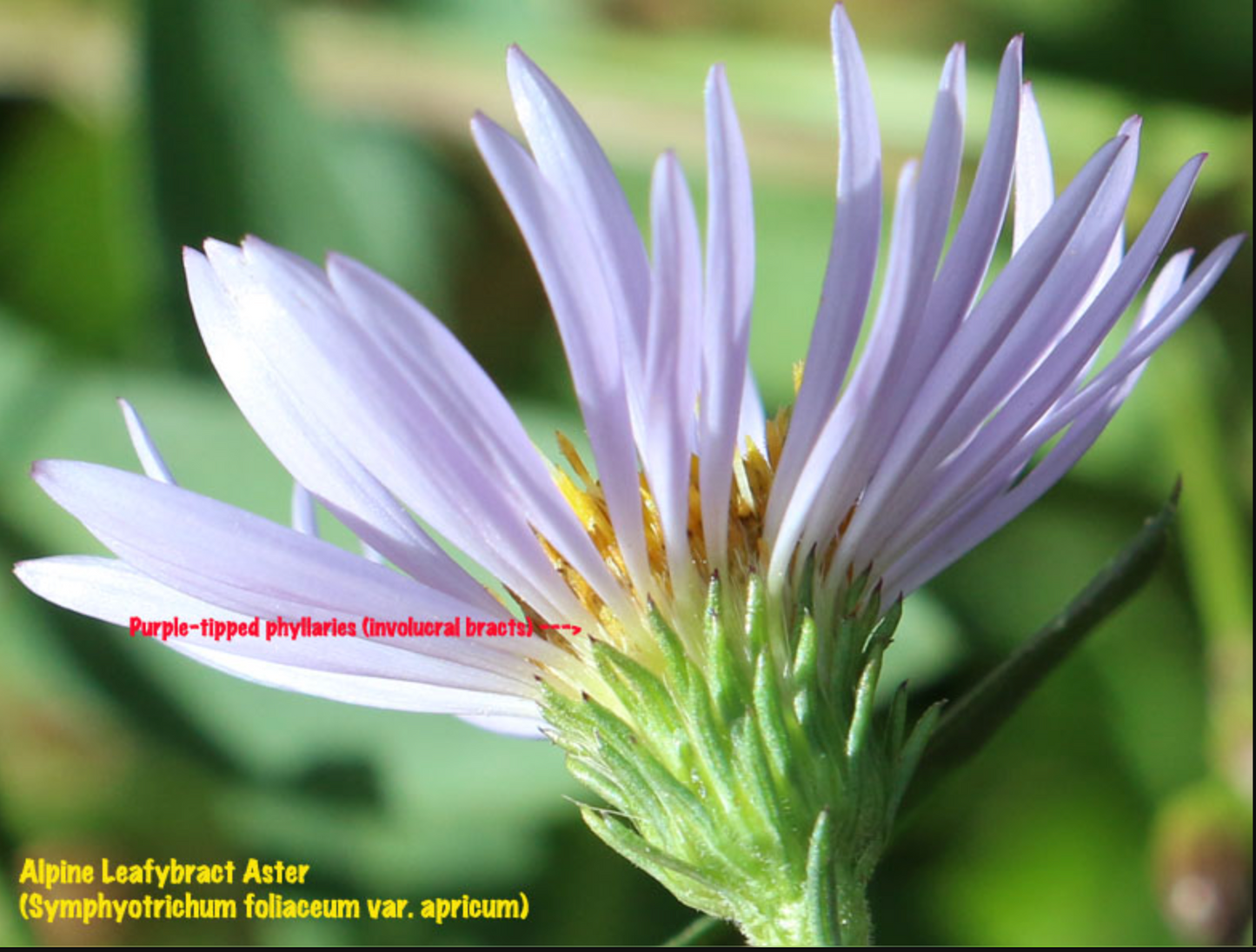
While they look very similar, Erigeron glaucus (Seaside Daisy/Beach Aster) and Aster alpinus (Alpine Aster) differ in habitat, bloom time, and floral structure. Erigeron is a coastal, long-blooming groundcover with flat bracts, (te small modified leaves behind the collection of individual florets, known as phyllaries, they protect the developing flower buds and help identify different aster species).. In comparison Aster alpinus is a true alpine, short-blooming clumper with layered bracts. (The last image shows a different alpine aster species)
The first image is by Paul Maurice, from a visit to the Dolomites, a mix of dolomitic and basaltic rocks, (basic and not) Thanks to Paul for allowing me to reproduce a bit of the NZAGS Bulletin here about the area where this treasure grows. It doesn't need lime, but it wouldn't hurt to give it what is likes. I have only included the names of species we can access here.
"Subalpine grasslands & pastures (2000-2400m) on basic substrates.
This is where the most impressive massed displays of colourful flowers were seen, with mauve Globularia cordifolia, intense blue Gentiana clusii, pink Aster alpinus and (the orchid - S), Pedicularis verticillata, yellow Potentilla crantzii (we are allowed P. verna, another basic substrate plant from the Dolomites - S), white Dryas octopetala and orange Hieracium aurantiacum. On the drier somewhat stonier sites were Leontopodium alpinum and Anemone baldensis, a species restricted to the Alps and the northwestern Balkan Peninsula and is named after the nearby Monte Baldo. Soldanella alpina and the well-named Callianthemum coriandrifolium, the genus name means “beautiful flower,” were seen near melting snow. (We can grow other species of Callianthemum - S)
This second image is A. alpinus is growing in Armenia. A world flower paradise which I have been lucky enough to visit.
Share